Civerxwîn
Born 1903, Şêxmûs Hesen aka Cigerxwîn is considered a key contemporary author, with his work being reused for the creation of hundreds of songs, playing a crucial role in the continuation of Kurdish culture and heritage
This account refers to his poem titled Who am I? - 1973
Social Meaning
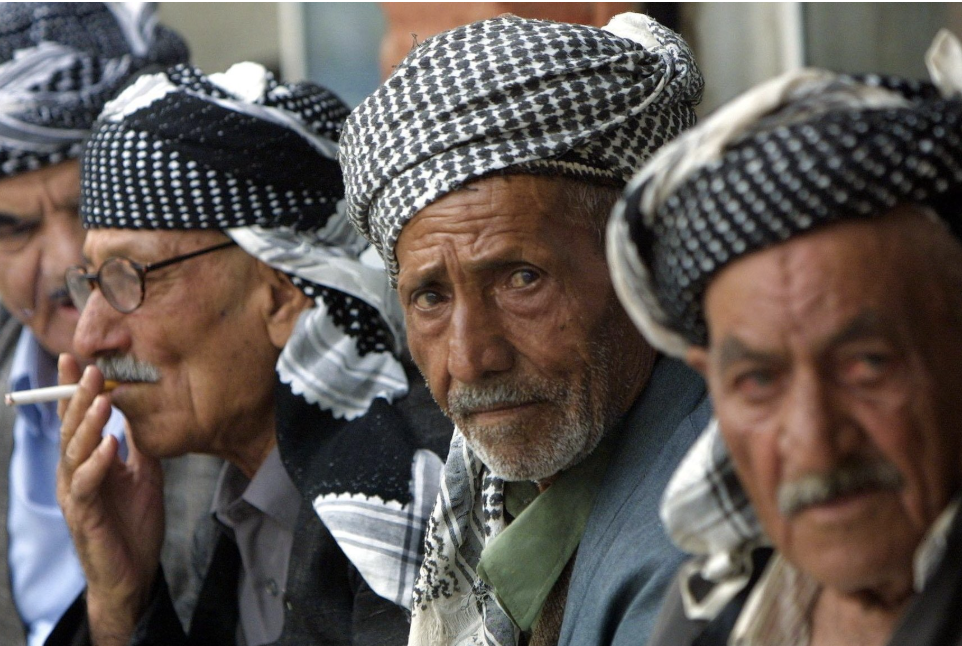
Similar to Xanî, Cigerxwîn focused on promoting Kurdish values but in less subtle way, saying "Who am I?...I am the Kurd of Kurdistan, a lively volcano, fire and dynamite" show his goal of inspiring national pride in the Kurds.
In his poem, their presence is not passive, with the above extract showing their active and living existence not being temporary, but generational.
Him saying that they are tied to the land, with an ancient identity was done to situate the Kurds as a real and thriving culture, not one willing to roll over to oppression.
Literary Significance
There are key themes in this poem, specifically:
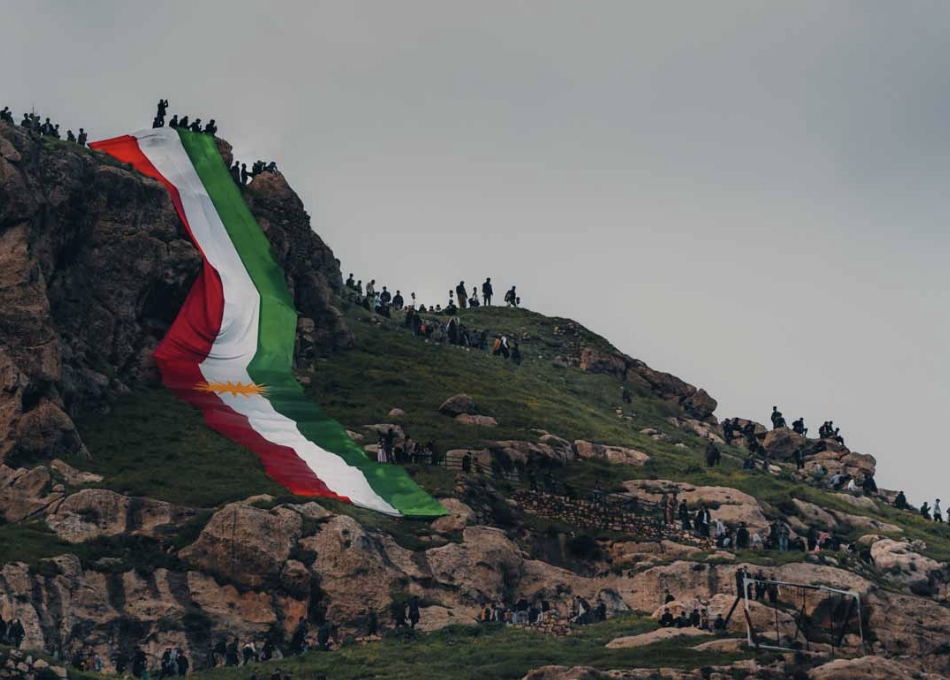
Suffering - "a slave i am now for blood suckers" and being "poor and oppressed" shows the Kurdish existence when oppressed by their neighbour states.
Sacrifice - the Kurd, Cigerxwîn says is "not in love with death," but is willing to give his life for his homeland and the freedom of his people.
The above themes reflect the narrative of martyrdom visible in much of twentieth century.

Broader Meaning
Much like Xanî's method of writing in Kurdish, Cigerxwîn incorporates these themes for wider meanings.
Framing sacrifice as a moral duty ties their acts to national liberation, with the one goal freeing the Kurdish people from their oppressors.
Furthermore, tying their identity and existence to the land links makes the Kurdish feel unbroken, noble and ancient. Not easily displaced and in their home helped Kurds face of oppression with honour and resilience, key attributes of the culture.
"I can't say enough about the outstanding service I received from your company. Their team went above and beyond to meet our needs and exceeded our expectations."
Oliver Hartman